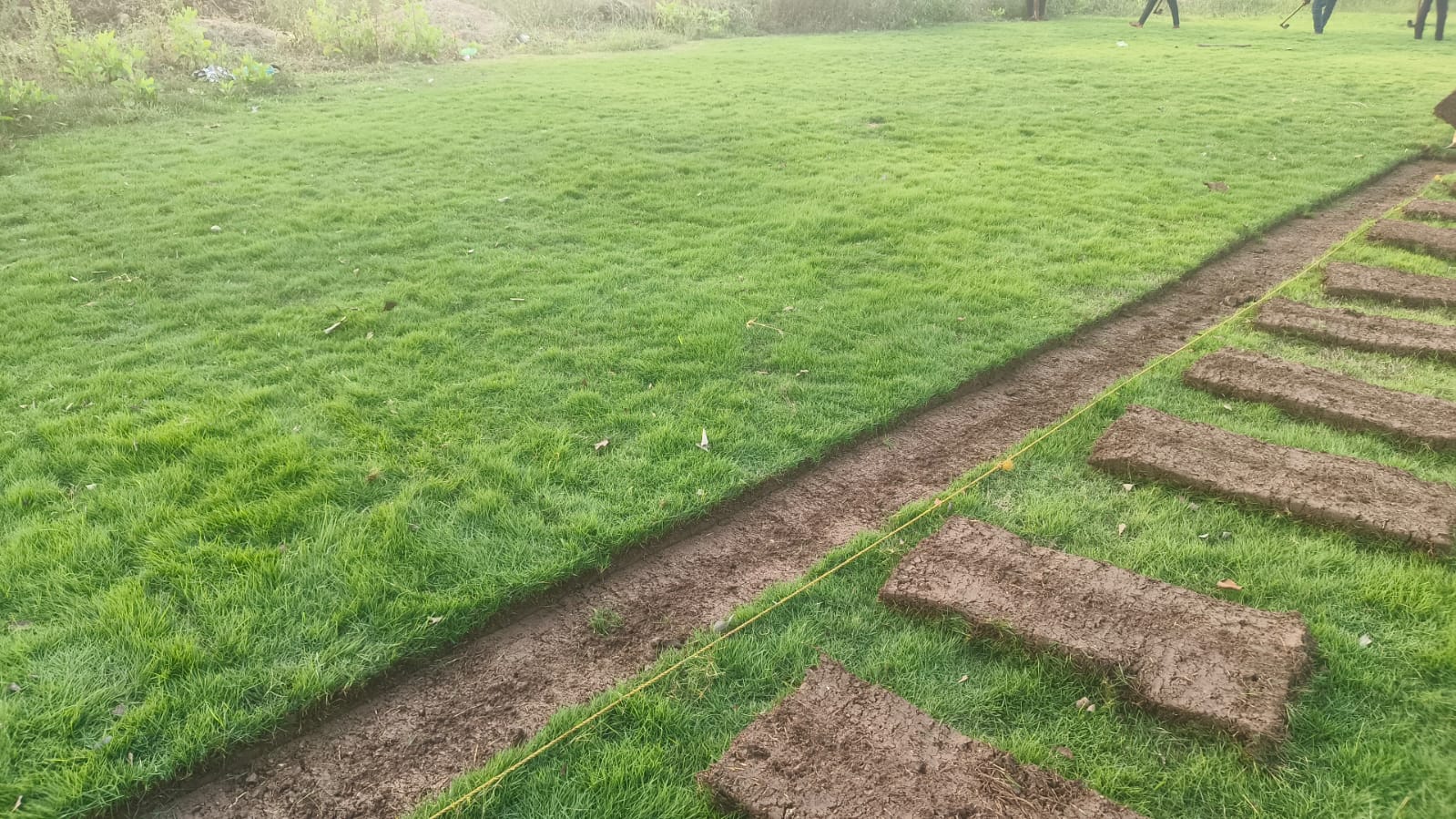
How to Design a Lawn That Survives an Ahmedabad Summer
A lawn in Ahmedabad must survive 45°C with minimal water. Grass species, mowing height, irrigation scheduling and when to let it go dormant.
A lawn that looks lush in December and turns patchy and brown by May is one of the most common frustrations we hear from Ahmedabad homeowners. The issue is rarely bad luck, it is almost always a mismatch between grass variety, soil preparation, and irrigation planning against what the city’s brutal summer heat actually demands. This guide covers how to design a lawn from the ground up that holds its color and health through Ahmedabad’s toughest months rather than just its mild winter.
Quick Answer
- Heat tolerant grass varieties like Bermuda and Mexican grass outperform Korean grass locally
- Deep, infrequent watering builds stronger roots than daily shallow watering
- Soil preparation before laying turf matters more than the grass variety chosen
- Partial shade from trees extends a lawn’s summer performance significantly
Choosing the Right Grass Variety
Korean grass, while popular for its fine texture and manicured appearance, genuinely struggles through Ahmedabad’s summer heat and needs more water and care than most homeowners realize to maintain through April, May, and June. Bermuda grass and Mexican grass both handle heat significantly better, going semi dormant during the most extreme stretches rather than dying outright, and recovering quickly once temperatures moderate. For most Ahmedabad homes prioritizing a lawn that survives summer with reasonable care, we recommend Bermuda or Mexican grass over the higher maintenance ornamental varieties.
| Grass type | Heat tolerance | Maintenance level |
|---|---|---|
| Korean grass | Low | High |
| Bermuda grass | High | Moderate |
| Mexican grass | High | Moderate |
Soil Preparation Before Laying Turf
Grading and soil amendment before installation matters more to long term lawn health than which grass variety you ultimately choose, since even heat tolerant grass struggles in compacted black cotton soil with poor drainage. We recommend working sand and organic matter into the top 15 to 20 centimeters of soil before laying turf, improving both drainage and root penetration significantly compared to laying turf directly onto unamended clay. Proper grading with a slight slope away from the house also prevents standing water during monsoon, which damages lawn roots even in otherwise well chosen grass varieties.
Deep, Infrequent Watering Builds Resilience
One of the most common lawn care mistakes in Ahmedabad is daily shallow watering, which trains grass roots to stay near the surface where they are most vulnerable to heat stress. Watering deeply but less frequently, roughly two to three times a week rather than daily, encourages roots to grow deeper in search of moisture, building a lawn that handles heat stress considerably better over time. Early morning watering, before the day’s heat sets in, also reduces water lost to evaporation compared to midday or evening watering during summer months.
Using Shade to Extend Summer Performance
Lawns in full, unbroken sun exposure struggle more through Ahmedabad’s peak heat than lawns with some tree canopy providing partial afternoon shade. Strategic tree placement, using species that will not compete too aggressively with lawn roots for water and nutrients, can meaningfully extend how well a lawn performs through the hottest months. This is a longer term strategy, since trees take years to provide real shade benefit, but it is worth factoring into the overall landscape design from the start rather than treating the lawn as an isolated element.
Fertilizing on a Schedule That Matches the Climate
Fertilizing right before Ahmedabad’s peak summer heat can actually stress grass further by pushing new growth at exactly the moment the plant is least able to support it. We recommend concentrating fertilizer applications in the cooler months, particularly just before the main growing push in October and again in February, rather than fertilizing heavily through April, May, and June when the grass’s priority should be survival rather than active growth. A lighter, less frequent summer feeding schedule supports the lawn without adding unnecessary stress during its hardest stretch.
Mowing Height Matters More in Summer
Cutting grass too short during summer removes leaf surface area the plant needs for photosynthesis and exposes more soil surface to direct sun, both of which increase heat and water stress on the lawn. Raising the mowing height during Ahmedabad’s hottest months, compared to a shorter winter cut, helps shade the soil and root zone while giving the grass more leaf area to support itself through stressful conditions. This is a small, free adjustment that meaningfully improves how a lawn handles summer without any additional cost or installation.
Repairing Patchy or Bare Areas
Bare or thin patches often result from a combination of compaction, inconsistent watering, or simply heavier foot traffic in that specific spot compared to the rest of the lawn. Aerating compacted areas, overseeding with the same grass variety, and temporarily reducing traffic while new growth establishes usually resolves patchiness within a few weeks during favorable growing conditions. Repeated patchiness in the same spot, despite repair attempts, often signals an underlying drainage or compaction issue worth addressing directly rather than continuing to reseed the same area repeatedly.
Want a Lawn Built to Handle Ahmedabad Summers?
We design and install lawns with the right grass, soil prep, and irrigation for lasting results. Contact us today.
Frequently Asked Questions
Which grass variety survives Ahmedabad summers best?
Bermuda and Mexican grass both handle heat significantly better than Korean grass, going semi dormant in extreme heat rather than dying outright.
Why does my lawn turn brown every summer despite watering?
Daily shallow watering often keeps roots near the surface where they are most vulnerable, while deep infrequent watering builds stronger, more resilient roots.
Does soil preparation matter more than grass choice?
Yes, even heat tolerant grass struggles in poorly drained compacted soil, so amending soil before laying turf matters significantly for long term health.
Should I mow shorter or taller during summer?
Taller mowing during summer shades the soil and root zone while giving grass more leaf area to support itself through heat stress.
When should I fertilize my lawn in Ahmedabad?
Concentrate fertilizing in cooler months, particularly October and February, and reduce feeding significantly through the peak summer heat stretch.
Does tree shade help lawn health in summer?
Yes, partial afternoon shade from strategically placed trees meaningfully extends how well a lawn performs through Ahmedabad’s hottest months.
Leave a Reply