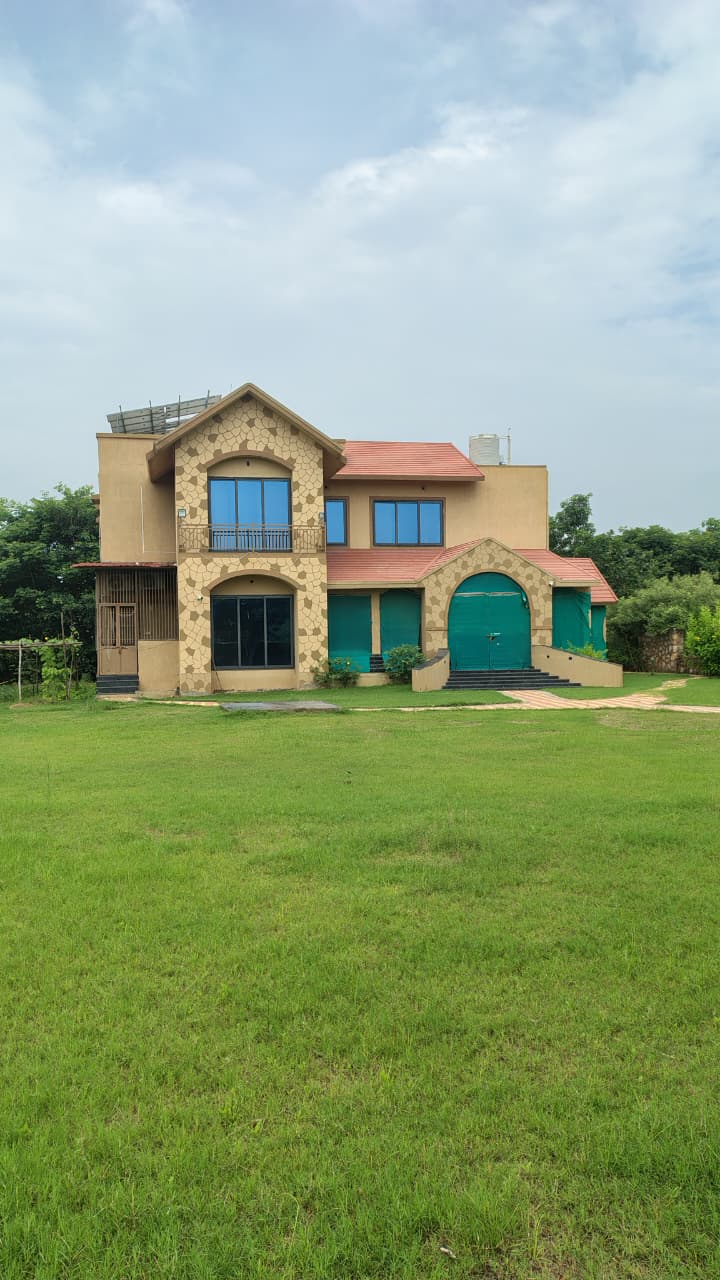
Bungalow Garden Design in Ahmedabad: What Works in Black Cotton Soil
Bungalow garden design in Ahmedabad with black cotton soil: soil correction, plant selection, drainage. Real projects across Gujarat. Free site visit.
Most bungalow plots in Ahmedabad sit on black cotton soil, a heavy clay that swells when wet and shrinks and cracks when dry. Garden design has to work around this, not ignore it. The fixes are raised beds, proper drainage and plant choices that tolerate a soil that moves seasonally, not expensive imported topsoil replacement that many first time homeowners assume they need.
What works in black cotton soil
- Raised beds (30 to 45 cm) instead of ground level planting for anything but lawn
- French drains or gravel sub base under paving to stop water pooling
- Keep large trees at least 3 to 4 m from the foundation, root and soil movement risk
- Soil amendment cost adds roughly ₹40 to ₹80/sq ft to a standard design
- Free site visit includes a basic soil and drainage assessment
Why black cotton soil is tricky for garden design
Black cotton soil, also called regur soil, has high clay content and expands significantly when it absorbs monsoon moisture, then shrinks and cracks in the dry months that follow. For a garden this means paving can heave and crack if laid directly on it without a proper base, ground level planting beds waterlog in monsoon and go rock hard in summer, and shallow foundations near large trees can be affected by root driven soil movement over several years. None of this is unusual or a sign of bad luck. It is simply how this soil behaves, and design has to account for it from day one.
Design adjustments that actually work
- Raised beds over ground beds: Lifting planting areas 30 to 45 cm above grade with a blended growing medium sidesteps the clay’s drainage problems entirely. This is the single highest impact change for any bungalow garden here.
- Proper paving sub base: A compacted aggregate base layer under any hardscape stops the seasonal heave that cracks paving laid directly on black cotton soil.
- French drains along boundaries: Perforated pipe in gravel trenches redirects monsoon runoff away from the house foundation and low lying beds before it can pool.
- Foundation clearance for trees: Species with aggressive root systems are planted with enough setback from the building that seasonal soil movement does not affect the structure over time.
Plants that tolerate black cotton soil well
Once beds are raised and drainage is sorted, most ornamental and shade species do fine anywhere on the plot. For areas where you are planting closer to grade, lawn edges and ground cover for example, go with species that tolerate periodic waterlogging and drying rather than ones bred for consistent, moderate moisture. Bougainvillea, hibiscus, vinca and native grasses all handle the swing far better than moisture sensitive imported ornamentals that were never suited to this climate to begin with.
Cost impact of black cotton soil
Designing around black cotton soil rather than ignoring it adds a modest amount upfront, typically ₹40 to ₹80 per sq ft for raised bed construction, drainage layers and sub base prep. This is far cheaper than repairing cracked paving or replanting waterlogged beds within a year or two, which is exactly what happens when this soil is treated like ordinary garden soil and no adjustments are made at the design stage.
Signs your garden was not designed for this soil
If you already have a garden and are wondering whether this applies to you, a few signs are easy to spot. Paving with visible cracks that reappear after patching, planting beds that turn to standing water within a day of heavy rain, and lawn areas that develop deep cracks by the end of summer are all signals that the original design did not account for the soil beneath it. Retrofitting raised beds and drainage into an existing garden is usually possible without a full rebuild.
Black cotton soil across Gujarat
This soil type is common across Gandhinagar, Vadodara and Anand as well as Ahmedabad. Rajkot and Surat have more mixed soil profiles depending on the specific plot, which is why we always do a site level assessment rather than assuming one soil type applies across an entire city.
Get a garden design built for your soil
Free site visit including a basic soil and drainage check, across all six cities.
Working Around Existing Structures
Many Ahmedabad bungalows have existing pathways, boundary walls, or utility access points that constrain garden layout more than owners initially expect. Rather than treating these as obstacles, a good design incorporates them, using boundary walls for climbing plants or vertical elements, and keeping utility access clear while still framing it attractively. We always survey existing structures carefully before finalizing a layout, since retrofitting a design around them after installation is far more disruptive than planning with them from the start.
Common questions

Digital Marketing Head at GreenLand Landscape, leading SEO and outreach across Gujarat.
Leave a Reply